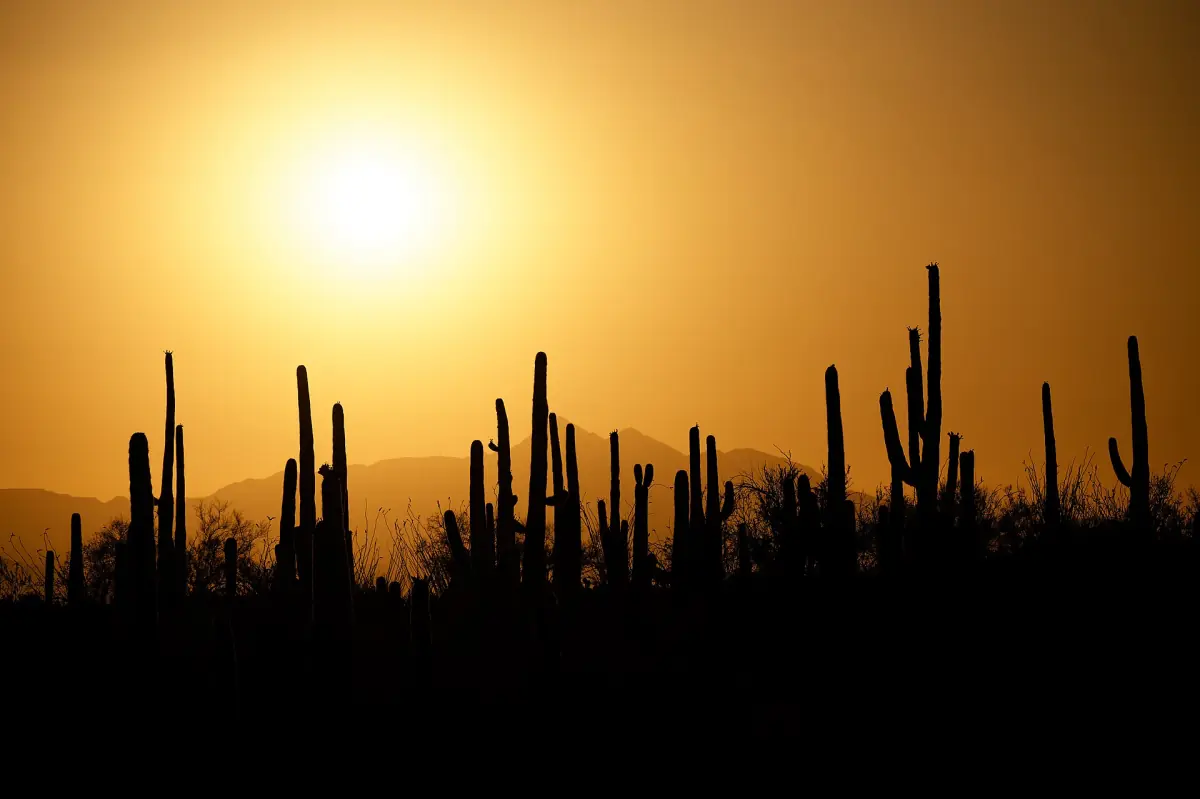
Saguaro National Park at a glance
Saguaro National Park protects the giant saguaro, the tall, many-armed cactus that grows naturally only in the Sonoran Desert and has become the symbol of the American Southwest. The park is split into two districts on either side of Tucson: the Tucson Mountain District in the west and the Rincon Mountain District in the east. Both are about half an hour from downtown, and the drive between them takes roughly an hour.
Each district has its own visitor center, a scenic loop drive and short trails through the cactus forest. The west side has denser stands of saguaros and wide sunset views, while the east side is greener, with a paved loop and trails that climb into the Rincon Mountains.
East or West: the two districts compared
If you only have half a day, pick one. With a full day, see the east in the morning and the west at sunset.
| Tucson Mountain District (West) | Rincon Mountain District (East) | |
|---|---|---|
| Scenic drive | Bajada Loop Drive, 6 miles (9.7 km), graded dirt road | Cactus Forest Loop Drive, 8 miles (12.9 km), paved |
| Visitor center | Red Hills Visitor Center | Rincon Mountain Visitor Center |
| Landscape | Dense saguaro forest on rocky slopes | Saguaros below the Rincon Mountains, more varied vegetation |
| Short walks | Desert Discovery Trail, Valley View Overlook, Signal Hill petroglyphs | Desert Ecology Trail, Mica View Trail |
| Best time of day | Late afternoon and sunset | Early morning |
| Nearby | Arizona-Sonora Desert Museum (separate ticket) | Tucson's east side |
The scenic drives: Bajada Loop and Cactus Forest Loop
Cactus Forest Loop Drive (East) is an 8-mile paved loop with pullouts, viewpoints and trailheads. The road is narrow, with tight turns and steep dips, and has no parking for RVs. According to the NPS it opens at 5 am and closes at dusk every day.
Bajada Loop Drive (West) starts about 1.5 miles west of the Red Hills Visitor Center off Kinney Road. It is a graded dirt road of about 6 miles, passable for normal cars without four-wheel drive, and open from dawn to dusk. Picnic areas and trailheads, including Signal Hill, line the route.
On both loops, trailers longer than 35 feet and vehicles wider than 8 feet are not allowed. Visitor centers open from 9 am to 5 pm between October and May and from 8 am to 4 pm from June to September, on Arizona time all year.
Best short trails in Saguaro National Park
Easy walks that show the cactus forest up close. Bring water even for short distances.
Desert Discovery Trail (West)
A paved half-mile loop with signs about desert plants and animals, benches and shade ramadas. Good for families and wheelchairs.
Valley View Overlook (West)
A short climb, under a mile there and back, to a ridge with views over a valley full of saguaros. The classic sunset walk; the small car park fills up.
Signal Hill (West)
A brief walk up a rocky hill covered in petroglyphs left by the Hohokam people centuries ago.
Desert Ecology and Mica View (East)
The paved Desert Ecology Trail (a quarter mile) and the flat Mica View Trail lead through the cactus forest off the Cactus Forest Loop.
Saguaro and Sonoran Desert tours
Guided desert hikes and tours around Tucson and day trips from Phoenix, with live prices and availability.
Best time to visit and the heat
The best time for Saguaro National Park is from October to April. Winter days average around 65 °F with cool nights, and ranger programs run mostly from November to April. Snow is possible on the high mountain trails.
Summer is a different story. Daytime highs regularly exceed 100 °F, and the NPS advises finishing any hike by 10 am when highs are between 95 and 110 °F, and not hiking at all above 110 °F. Turn back before you have used half your water. The monsoon, officially from 15 June to 30 September, brings afternoon storms and flash floods in washes.
Saguaro bloom season: the white flowers, Arizona's state flower, start to open in the last two weeks of April. According to NPS research, flowering peaks from the last week of May to the first week of June. Each flower opens at night and lasts less than 24 hours, so look for them early in the morning. For the full climate picture, see our best time to visit Arizona guide.
Entrance fees and passes 2026
As of 2026, entry costs $25 per private vehicle, $20 per motorcycle and $15 per person on foot or by bike, each valid for seven days in both districts. Saguaro is not one of the 11 parks with the new $100 surcharge for non-US residents, so international visitors pay the standard fee here.
The America the Beautiful pass is accepted. If you are also visiting the Grand Canyon on the same trip, the $250 non-resident annual pass, which covers the Grand Canyon surcharge as well, usually pays off. Free entrance days in 2026 apply only to US residents.
Plan Saguaro as part of a southern loop with Tombstone or as the start of a longer Arizona road trip heading north to Sedona and the canyons.
More to explore in Arizona
Ideas for the rest of your trip.
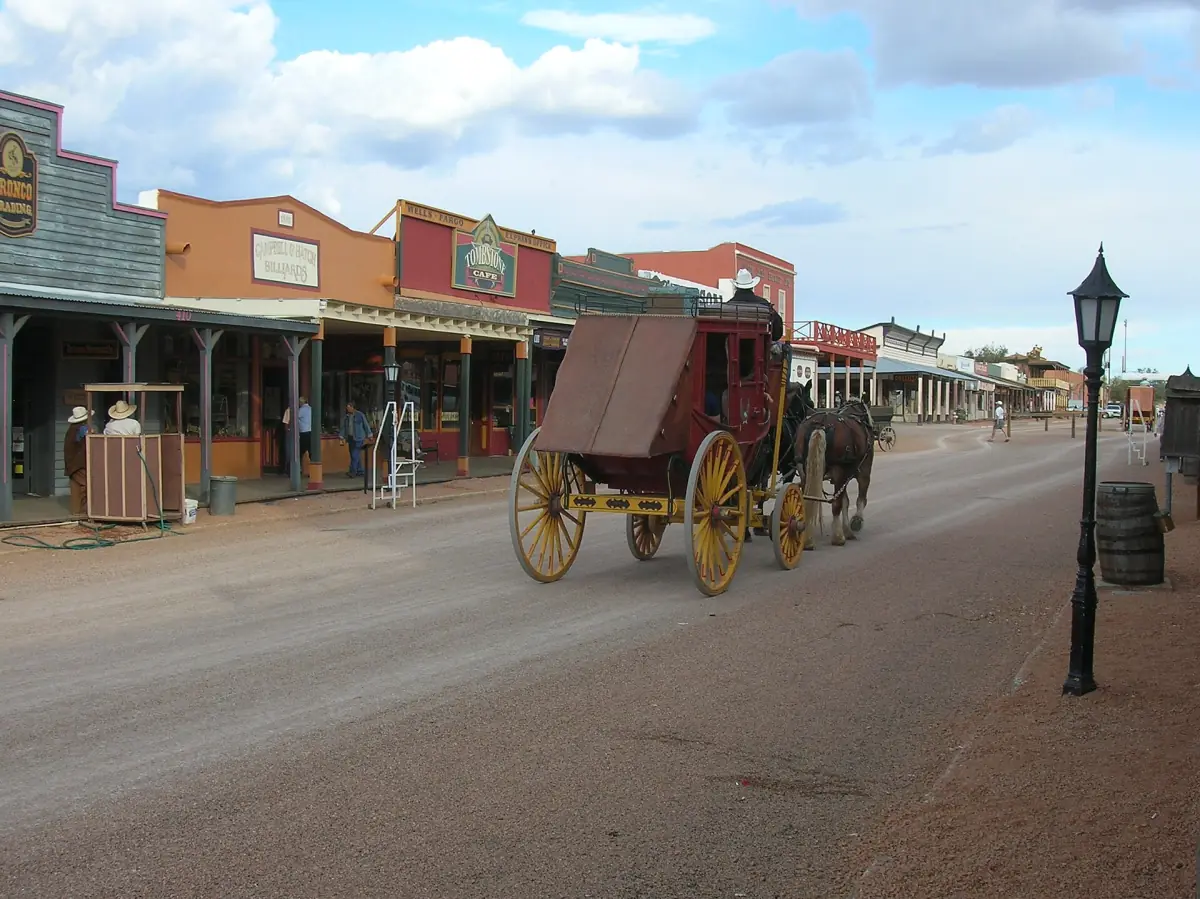
Tombstone
The Old West town of the O.K. Corral, with daily reenactments and Boothill Graveyard.

Hot air balloon rides
Sunrise flights over the Sonoran Desert north of Phoenix.
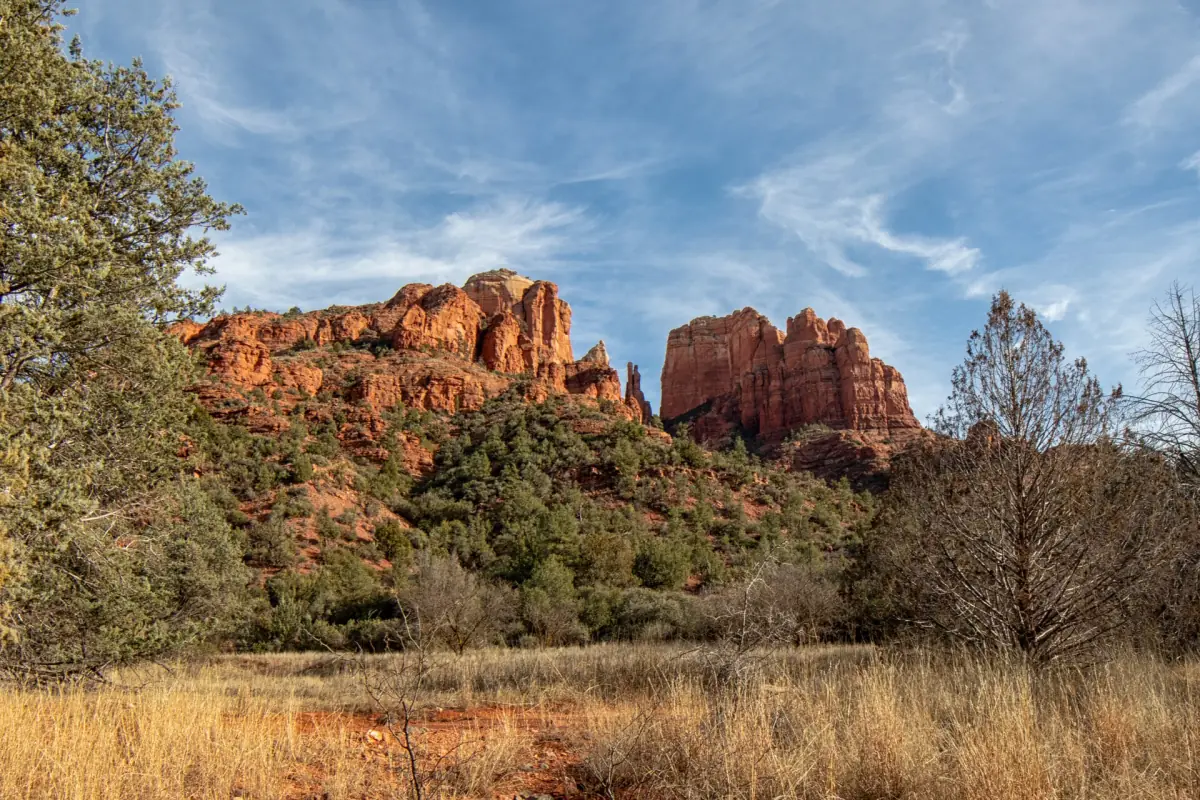
Sedona
Hikes, jeep trails and viewpoints about 2 hours north of Phoenix.
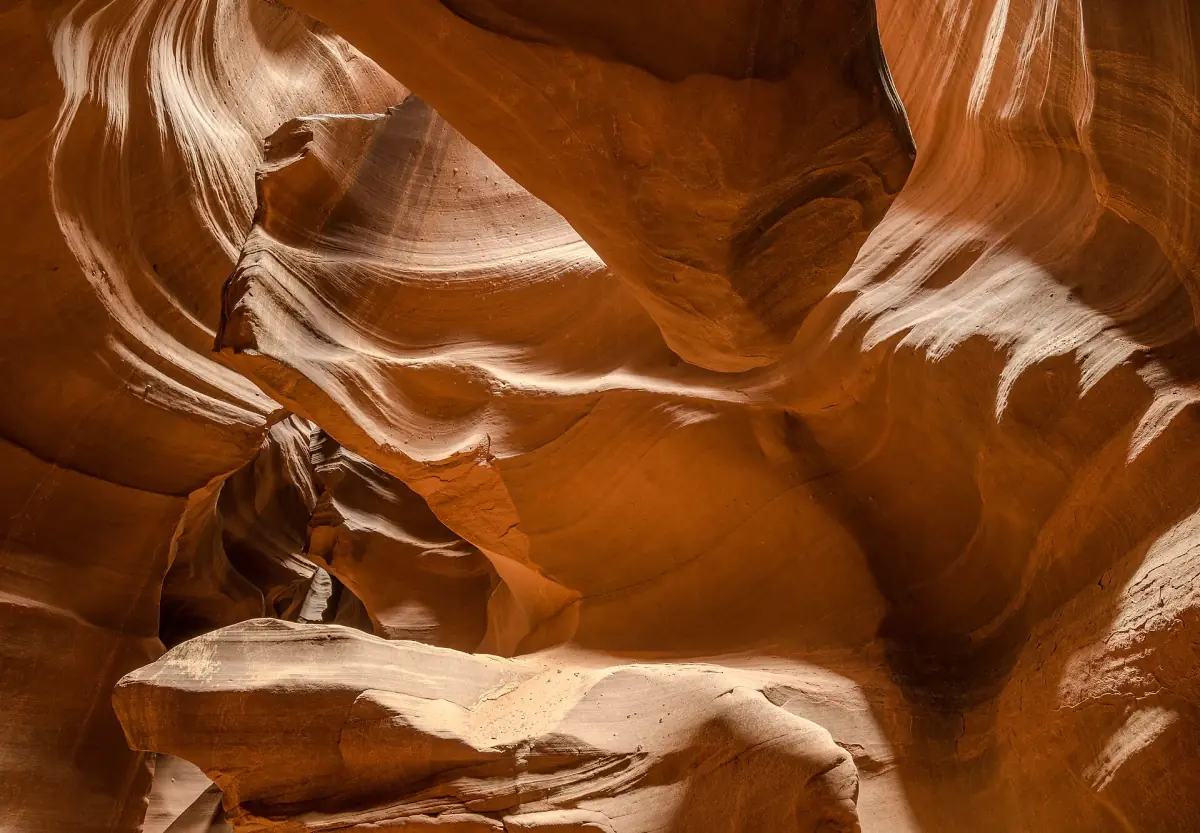
Antelope Canyon
Navajo-guided tours through Arizona's most famous slot canyon.
Saguaro National Park: frequently asked questions
Which side of Saguaro National Park is better?
The west (Tucson Mountain District) has denser saguaro forest and the best sunsets. The east (Rincon Mountain District) has a paved scenic loop and longer mountain trails. With one day, do both.
How much does Saguaro National Park cost?
As of 2026, $25 per private vehicle for seven days, valid in both districts. The $100 non-resident surcharge does not apply here.
When do the saguaros bloom?
Flowering begins in late April and peaks from the last week of May to the first week of June. Flowers open at night and close the following day.
Can you visit Saguaro National Park in summer?
Yes, but only early in the morning or at sunset. Midday temperatures often exceed 100 °F, and the NPS advises against hiking when highs are above 110 °F.
How far apart are the two districts?
They lie on opposite sides of Tucson. Plan about an hour to drive from one visitor center to the other.