Things to do in Sedona at a glance
Sedona sits in Red Rock Country, about two hours north of Phoenix, where Oak Creek has carved a landscape of orange and red sandstone buttes. Most of the things to do in Sedona happen outdoors: short, steep hikes to famous rock formations, scenic drives, off-road rides on rough forest roads and, after dark, stargazing.
Much of the land around town is part of the Coconino National Forest. That matters for your planning, because many trailheads require a Red Rock Pass to park and the most popular lots fill early. Plan your hikes for the morning, keep the afternoon for the town, the chapel or the creek, and finish with sunset at a viewpoint.
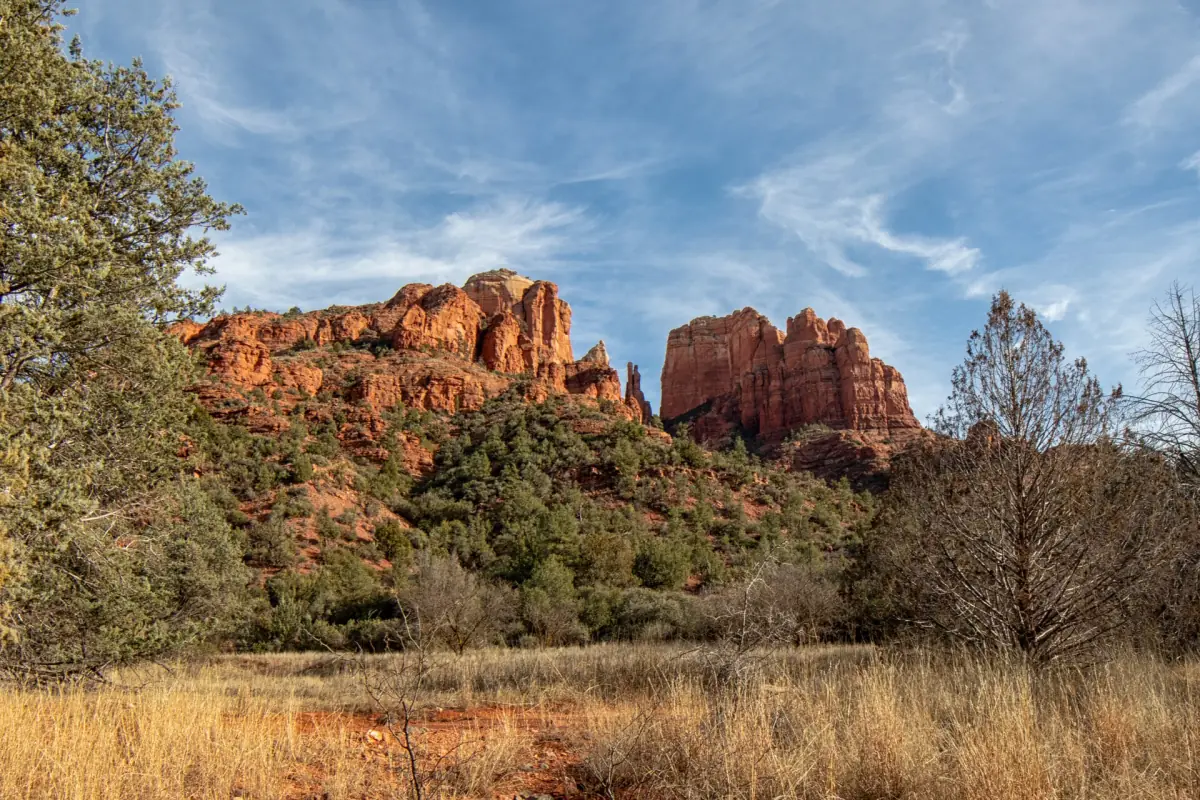
The red rock highlights
The formations that put Sedona on the map, from an easy stroll to a scramble on slickrock.
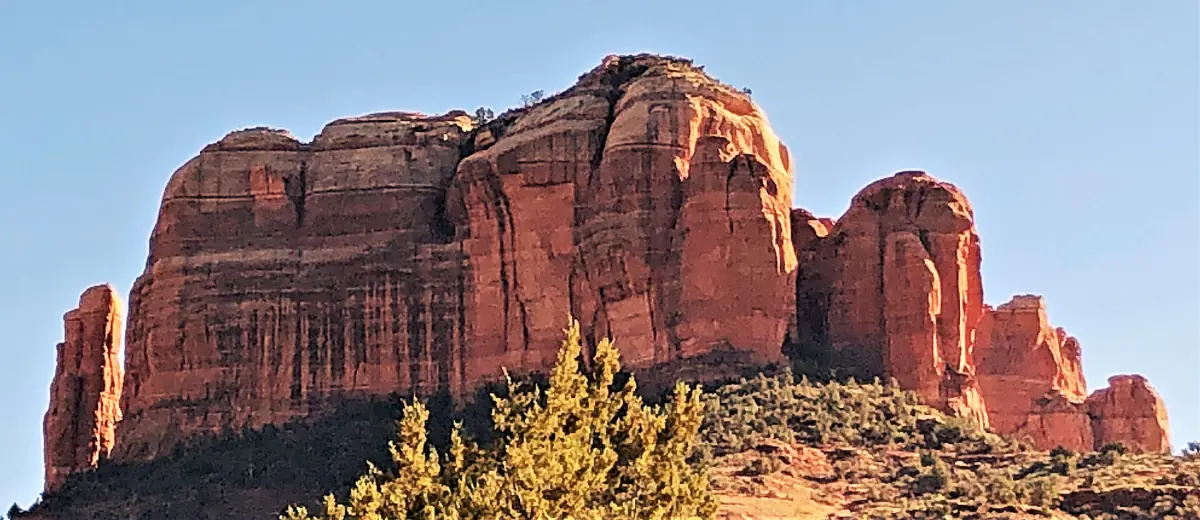
Cathedral Rock
Sedona's most photographed butte. The Forest Service rates the trail as strenuous: 1.1 miles (1.8 km) round trip with about 670 feet (200 m) of climbing, partly on steep slickrock where you use your hands. While the shuttle runs, the trailhead lot is closed to private cars.
Bell Rock
The bell-shaped butte beside State Route 179, near the Village of Oak Creek. A wide, gentle pathway circles its base, and you can scramble as high as you feel comfortable. A good first walk and great at sunrise.
Devil's Bridge
The largest natural sandstone arch in the area. From the Dry Creek Vista lot it is roughly 4 miles (6.5 km) round trip, much of it on a dusty dirt road. With a high-clearance 4x4 you can shorten it to about 2 miles. Expect a line for the photo on the arch at popular times.
Chapel of the Holy Cross
A modernist Catholic chapel completed in 1956 and set right into the red rock south of Uptown. Entry is free and the views from the ramp are superb. The small upper lot fills fast, so arrive early or expect to walk up from lower parking.
Oak Creek Canyon and Slide Rock State Park
North of Uptown, State Route 89A follows Oak Creek through a narrow, wooded canyon on its way up to Flagstaff. It is one of the prettiest drives in Arizona, with pull-outs, picnic areas and the trailhead for the West Fork Trail, a shady creek walk that is especially good in autumn.
Slide Rock State Park is the canyon's best-known stop: a former apple farm where the creek runs over a slippery sandstone chute that you can slide down. Practical points from Arizona State Parks:
- Fees (as of 2026): $30 per vehicle for 1–4 people from May to 21 August, $20 from 22 August 2026 to April 2027, plus $5 for each additional person. Cards are preferred, and cash only with exact change.
- No reservations, no walk-ins. Entry is by vehicle only. When the lot is full, you cannot wait along the highway, so arrive at opening on summer weekends.
- Hours: 8 am to 6 pm for most of the year, with entry and the swim area closing at 5 pm. Shorter hours apply from late November to late January.
Note that the Red Rock Pass is not valid at some popular creek sites such as West Fork (Call of the Canyon), Crescent Moon and Grasshopper Point. They charge their own day-use fee.
Sedona tours and activities
Jeep tours, guided hikes, vortex walks, stargazing and day trips from Sedona, with live prices and availability.
Vortexes, viewpoints and dark skies
Sedona is famous for its vortexes, places that many visitors describe as spiritually energising. The idea is a modern spiritual tradition, not something science has measured, but the sites themselves are worth visiting either way. The four most often named are Airport Mesa, Bell Rock, Cathedral Rock and Boynton Canyon. If you join a meditation or vortex walk, keep in mind that these are shared public lands and, for many people, sacred places: stay on the trail, leave no cairns or offerings, and keep your voice down.
Airport Mesa is the easiest viewpoint for sunset over West Sedona, but its small parking area fills well before the sun goes down. Arrive early or walk up.
After dark, look up. Sedona was named the world's eighth International Dark Sky Community in 2014 and limits outdoor lighting accordingly. On a clear, moonless night the Milky Way is easy to see from the edge of town. Guided stargazing tours bring telescopes to quiet spots outside Sedona, and Lowell Observatory in Flagstaff is a good addition if you drive up through Oak Creek Canyon.
Red Rock Pass, parking and the trailhead shuttle
The rules that catch most first-time visitors.
Red Rock Pass
Required to park at many National Forest trailheads and day-use sites around Sedona. As of 2026 it costs $5 per day, $15 per week or $20 per year. Buy it at the kiosks, at visitor centres or on Recreation.gov, where your licence plate serves as the pass. Stopping briefly for a photo is fine without one.
America the Beautiful pass
The interagency annual pass is accepted instead of a Red Rock Pass. If you are buying the nonresident version for the national parks anyway, it covers Sedona's trailheads too.
Grand Canyon fees →Free trailhead shuttle
The city's Sedona Shuttle runs Thursday to Sunday, about 7 am to 5:30 pm, from park-and-ride lots to Cathedral Rock, Little Horse, Soldier Pass and Dry Creek Vista (for Devil's Bridge). It is free, and you do not need a Red Rock Pass to ride. Check the current timetable before you go.
Timing and heat
Start hikes early, especially from May to September. Carry more water than you think, and avoid slickrock and slot-like washes during the July to mid-September monsoon storms.
Best time to visit →More things to do from Sedona
Guided adventures in town and the classic day trips from Red Rock Country.
Sedona jeep tours
Broken Arrow, Schnebly Hill Road and other rough forest roads compared, guided or self-drive.

Hot air balloon rides
Float over the red rocks or the Sonoran Desert near Phoenix. Season, prices and what to expect.
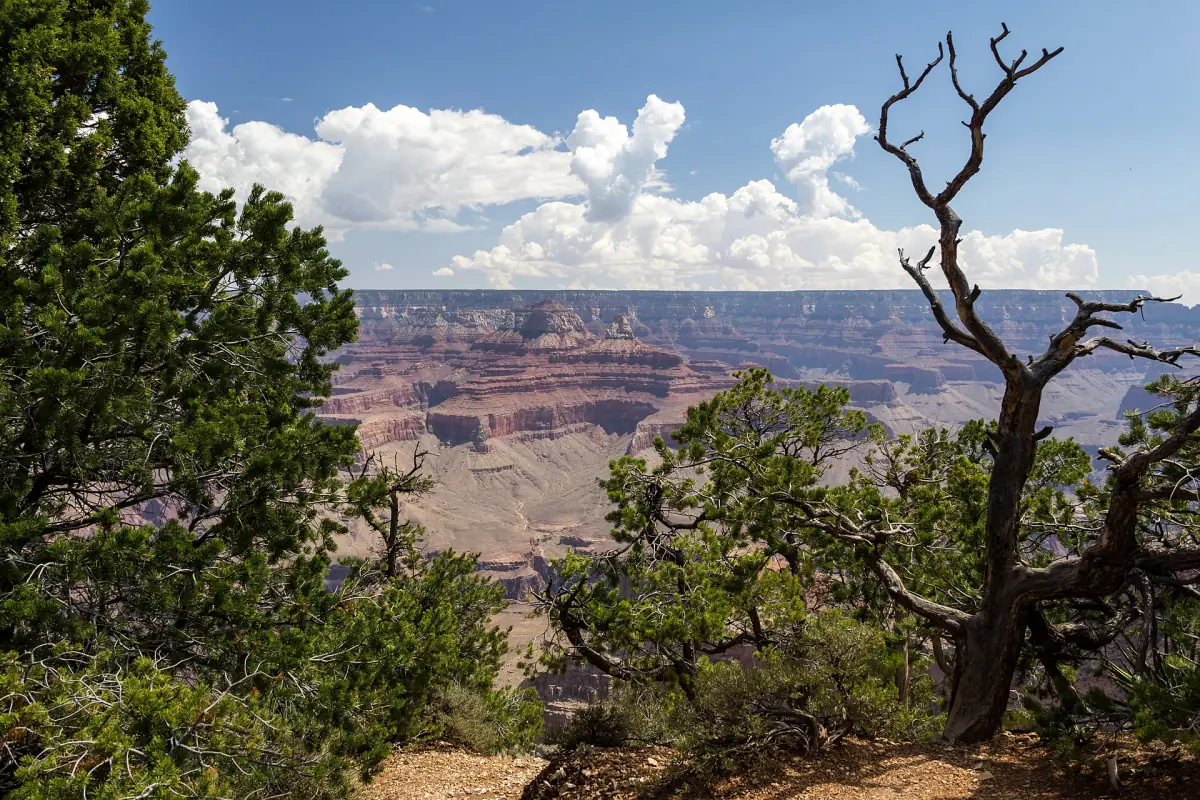
Grand Canyon South Rim
The classic day trip from Sedona via Flagstaff, with tours if you prefer not to drive.
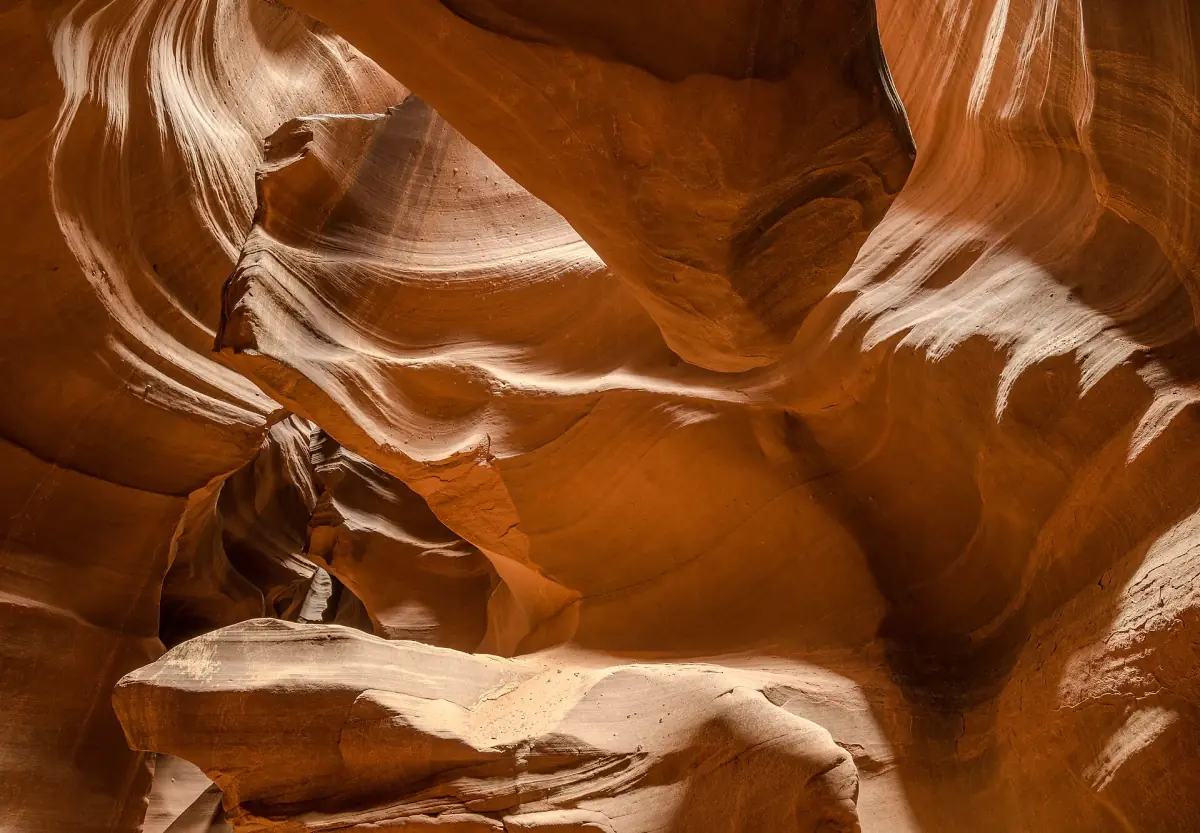
Antelope Canyon and Page
Navajo-guided slot canyon tours, best combined with Horseshoe Bend and an overnight in Page.
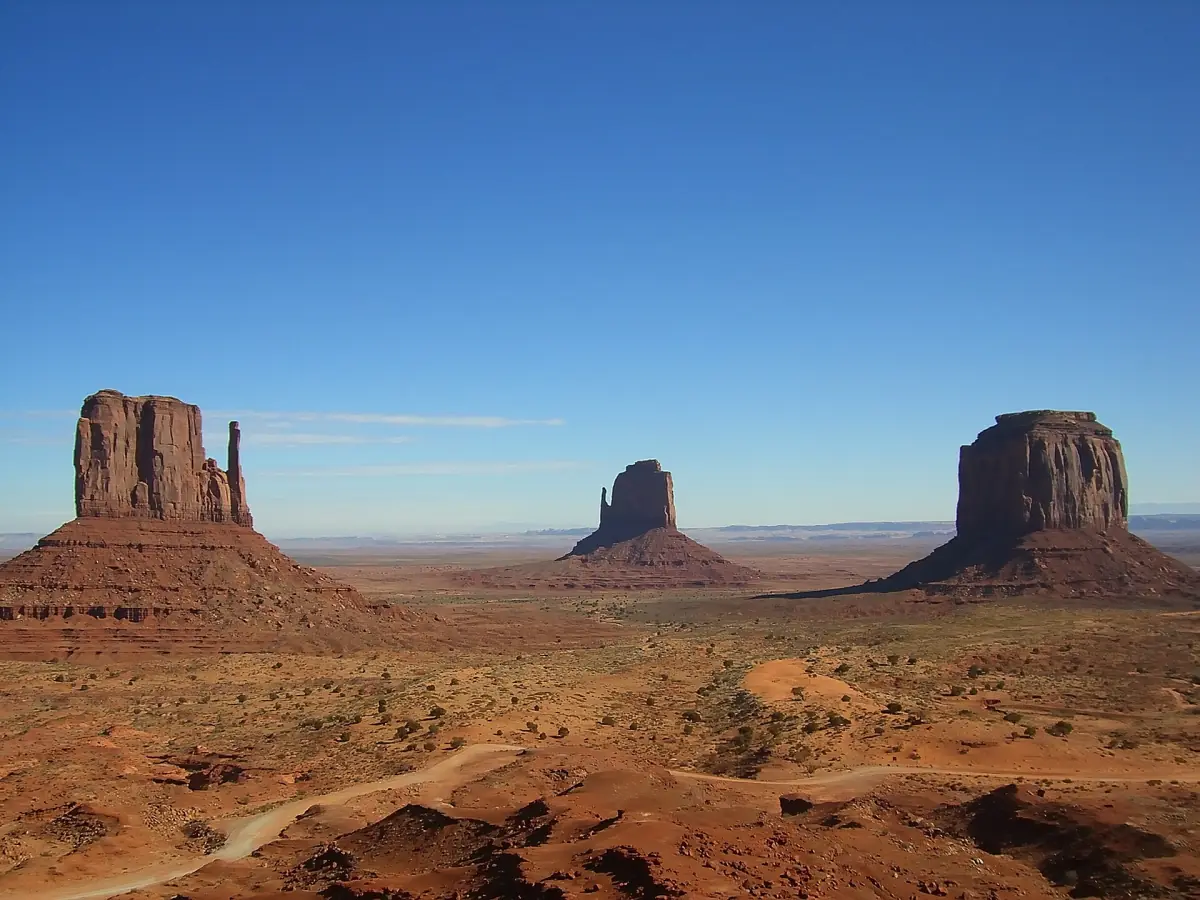
Monument Valley
The Navajo tribal park on the Utah border, best as part of a road trip rather than a rushed day.
Where to stay in Sedona
Uptown, West Sedona, Village of Oak Creek or the canyon: which area suits your trip.
Things to do in Sedona: frequently asked questions
How many days do you need in Sedona?
Two full days cover the highlights: one for Cathedral Rock, Bell Rock and the Chapel of the Holy Cross, one for Devil's Bridge, Oak Creek Canyon or a jeep tour. Add a third day for the Grand Canyon or more hiking. Our Arizona road trip itinerary shows how Sedona fits into a longer route.
Do I need a Red Rock Pass in Sedona?
Only if you park at a National Forest trailhead or day-use site that requires it. As of 2026 it costs $5 per day. An America the Beautiful pass is accepted instead. You do not need one when you use the free trailhead shuttle.
What is the easiest red rock walk for beginners?
The Bell Rock Pathway. It is wide and fairly flat at the base, and you decide how far up the rock you want to go.
Are the Sedona vortexes real?
There is no scientific evidence of a measurable energy field. Many visitors still find the sites calming and meaningful, and the views alone make them worth the walk.
Can you visit Sedona as a day trip from Phoenix?
Yes, the drive takes about two hours each way, but you will spend much of the day in the car. One night in Sedona lets you hike in the cool morning and see the sunset. See where to stay in Sedona.